All Categories
Featured
Table of Contents
Technical Shifts in Proximity Search for 2026
The mechanics of how customers discover close-by services have actually moved far beyond easy zip code matching. In 2026, proximity search functions through a complicated layer of intent-based signals and real-time information feeds. Merchants in Toronto no longer merely compete for a spot in a list of outcomes. Rather, they need to appear in the synthesized answers offered by generative search engines. This shift toward AI search optimization (AEO) and generative engine optimization (GEO) implies that a shop's physical area is just one variable among numerous. Online search engine now weigh transit times, current stock, and even the live climatic conditions when recommending a shop to a user.
Steve Morris, CEO of NEWMEDIA.COM, has observed that the accuracy of local information has ended up being the most significant consider keeping visibility. His agency, which operates across major markets consisting of Denver, NEW YORK CITY, and Miami, emphasizes that the age of passive local listings is over. Companies should now provide structured information that AI models can consume quickly. This information consists of whatever from live product availability to the specific services offered within a particular hour. Sellers discover that prioritizing International Search Growth results in higher conversion rates because it aligns their digital existence with the instant requirements of the neighborhood.
Hyper-Local Existence in the region
Little and mid-sized services throughout the area deal with a distinct set of challenges as AI assistants become the main interface for discovery. These AI agents do not just list options-- they curate them. If a resident in Toronto asks their wearable device for a specific product, the AI evaluates which store has that product in stock and if the shop is presently busy. This level of hyper-local marketing requires a level of technical elegance that was uncommon simply 2 years ago. Conventional SEO techniques have been changed by strategies that focus on exposure within the generative outcomes of platforms like RankOS.
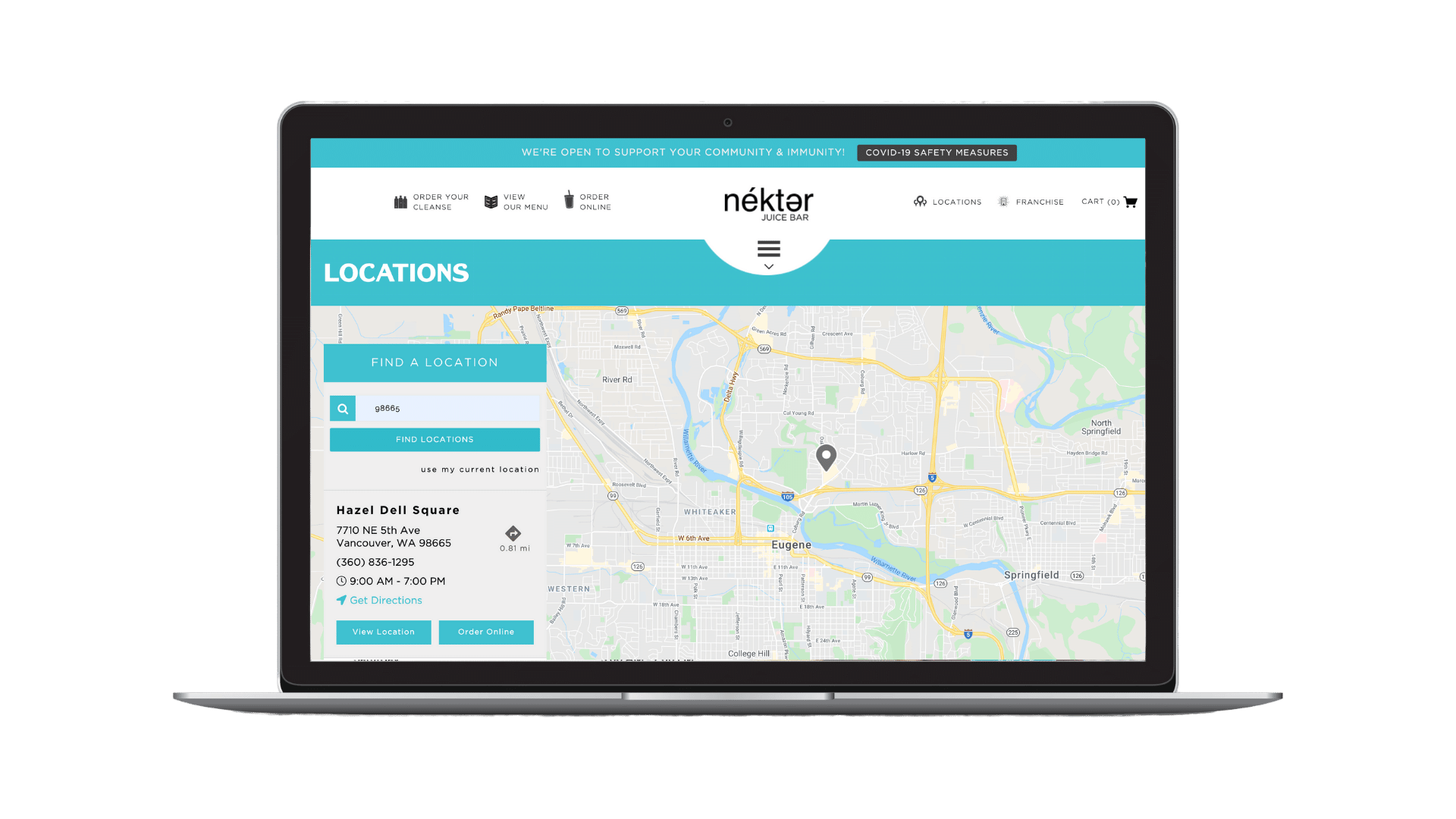
The RankOS platform supplies a way for merchants to keep an eye on how they appear in these brand-new AI-driven environments. Visibility is no longer about a blue link on a screen. It has to do with being the conclusive answer offered by a voice assistant or an increased reality overlay. Growth in Strategic High-End Website Design uses a course for stores to capture community demand by ensuring their information is clean, obtainable, and formatted for artificial intelligence consumption. This transition has actually changed the way marketing spending plans are distributed, with a much heavier focus on the technical backend of regional listings.
The Role of Generative Engine Optimization
Generative Engine Optimization (GEO) has become a staple for any seller aiming to survive in the United States. Unlike old-fashioned keyword targeting, GEO includes developing material that responds to particular, multi-layered queries. A buyer in 2026 may look for a store that has a specific model of shoe in stock, uses vegan-friendly materials, and is within a ten-minute walk of their existing area. Fulfilling these criteria needs the shop to have its stock information synced perfectly with search crawlers.
NEWMEDIA.COM has actually broadened its operations into Dallas, Atlanta, and Los Angeles to help retailers manage these intricate information requirements. The company's method includes more than simply website design or social media management. It focuses on the crossway of physical place and digital intent. For lots of firms, Canadian SEO in Toronto often yields results that favor companies with comprehensive regional information. When an online search engine can verify that a company is a relied on entity in Toronto, it is more likely to recommend that company over a remote rival, even if that rival has a larger nationwide brand.
Moving Customer Expectations and AI Assistants
Customer behavior in 2026 is defined by an absence of patience for unreliable information. If an AI assistant directs a buyer to a shop in the broader area and the item is out of stock, the customer loses trust in both the shop and the assistant. This high-stakes environment implies that sellers must treat their digital presence as a live reflection of their physical reality. The integration of AI search optimization into everyday business operations has ended up being a need for merchants throughout the surrounding region.
Steve Morris has noted in various industry publications that the services being successful today are those that treat their location data as an item in itself. By utilizing RankOS, these companies can see exactly where their information gaps lie. If a shop in Chicago or Nashville is missing data on its ease of access or current wait times, it will likely be benched in distance search rankings. The algorithm treats missing out on data as a sign of unreliability. The goal for merchants is to end up being the most reliable information source for the AI agents that their clients utilize every day.
The Effect On Standard Retail Models
The surge in proximity search effectiveness has really assisted some brick-and-mortar stores compete better versus online-only giants. While an enormous e-commerce site can provide low prices, it can not provide the immediacy of a store five minutes away in Toronto. By taking advantage of this "immediacy tax," local merchants can maintain healthy margins. The key is ensuring that the customer understands the item is offered right now. This is where the technical work of a full-service digital agency emerges.
Agencies now supply a suite of services that consist of AI-specific content creation and structured information management. This guarantees that when an AI model processes a question about the state, it has a clear and precise photo of what each regional merchant provides. The focus has moved from "getting found" to "being the option." This change in viewpoint has actually led to a more efficient local economy where consumers discover what they need faster and sellers reduce the waste associated with broad, untargeted marketing.
Merchants that neglect these modifications find themselves ending up being invisible. In 2026, if an organization does not exist in the generative search results page, it basically does not exist for a large sector of the population. The cost of technical financial obligation is high. On the other hand, those who accept the technical requirements of distance search discover themselves with a consistent stream of high-intent foot traffic. The shift towards AEO and GEO is not a temporary pattern but a basic modification in the architecture of the web and how it connects with the real world of retail.
As the year 2026 advances, the reliance on these automated systems will just increase. Sellers in Toronto must remain notified about the current updates to browse algorithms and AI processing methods. Working with knowledgeable experts who understand the nuances of platforms like RankOS is often the distinction in between development and obsolescence. The focus remains on accuracy, speed, and the capability to show importance to a device that is making choices on behalf of a human consumer.

Latest Posts
Comparing Search Trends for Local Business Growth
Adapting Regional Presence for AI Optimization
How to Inspect Real-Time Accessibility for Unique Sessions